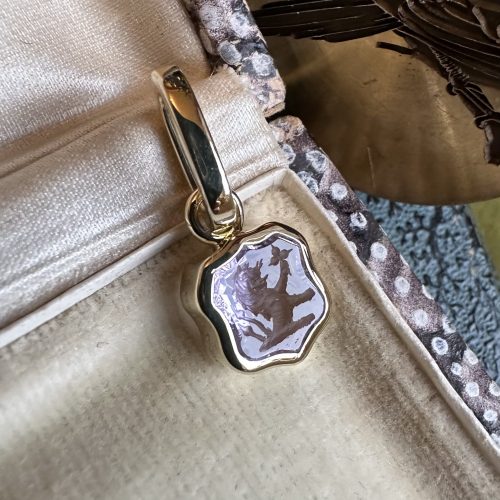
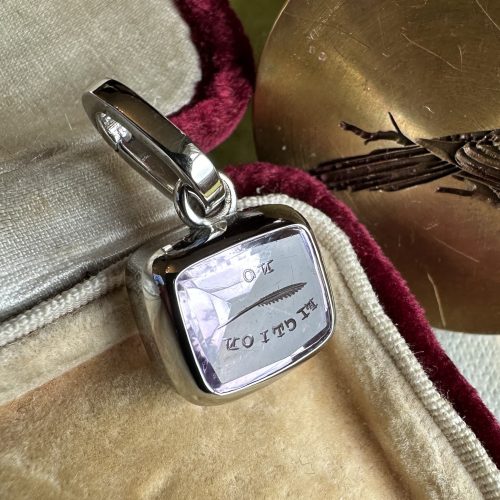
Of all of the intaglios we source and sell here at Bauble Magpie, the amethyst intaglios are far and away the most popular. There’s a few different reasons why this is the case, which we’ll go through, but honestly, can you blame people for being simply as obsessed with these stunning crystals as we are?
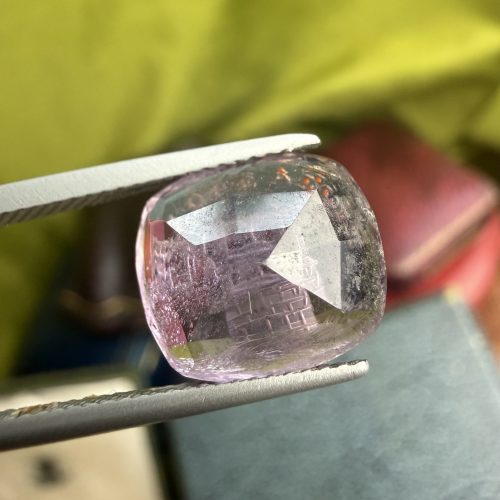
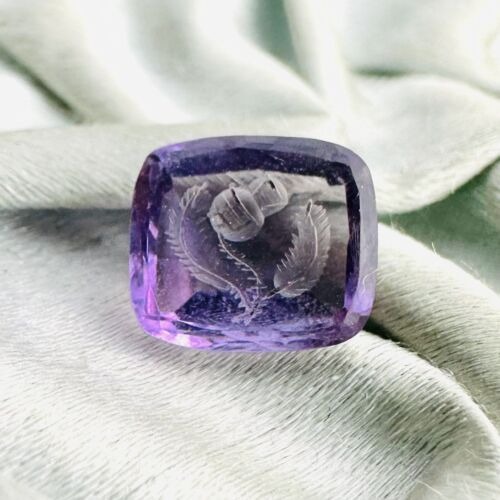
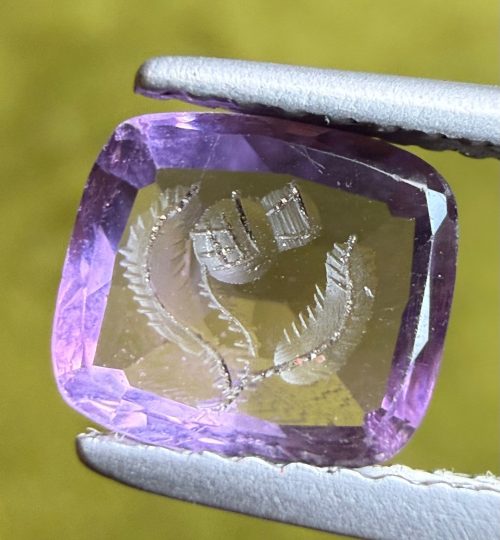
First of all is the most obvious: the colour. There’s not a wide variety of different types of precious or semi-precious stones in purple, it’s kind of just the amethyst – apart from some purple sapphires, to be fair. When it comes to purple intaglios, you’re absolutely looking at amethyst, though. When it comes to the range of purples? Well, they span the spectrum of shades. You’ve got everything from rose de france, which is like a pale pink amethyst to deepest darkest purple that nearly comes up black.
These darker purples, and the overall cool tones of purple in general, have always made amethyst jewellery a favourite choice for mourning jewelery. Mourning jewelery was particularly popular during Queen Victoria’s reign, who, as the OG influencer, brought a variety of different styles to the forefront of the stylish upperclass.
The upper class were not the only ones to enjoy amethyst intaglios, however, though they were likely the only ones with TRUE amethyst – the lower classes were probably stocking up on pastes to mimic amethyst, which generally did a pretty good job but didn’t hold that sharp facet that we know and love in the hard crystal.
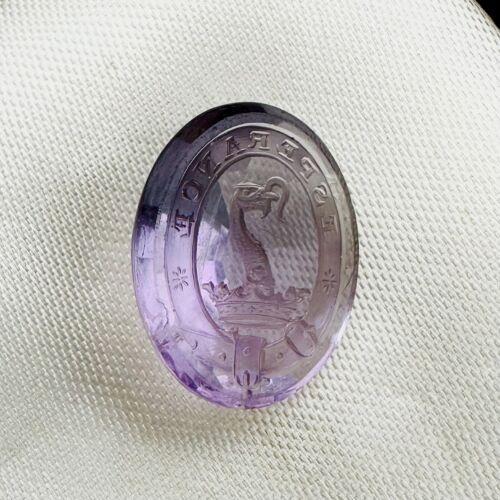
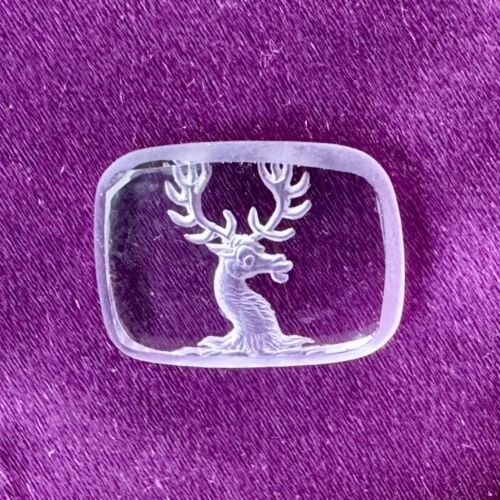
Being a hard crystal, amethyst intaglios were much harder to engrave and carve than a hardstone like bloodstone and carnelian. It was by no means impossible of course, as we see from the heraldic amethyst intaglios, but they only pop up every so often because they took a lot more skill to properly carve, and were as popular back then as they are today.
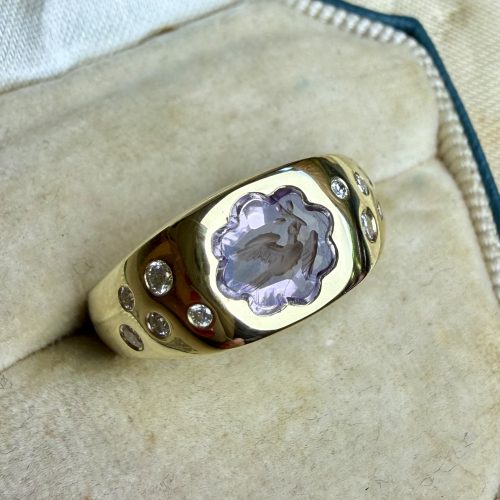
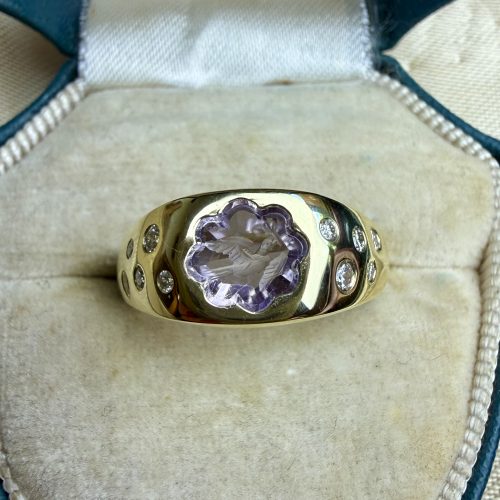
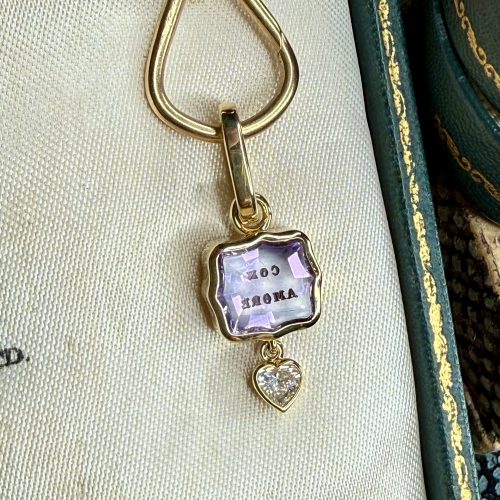
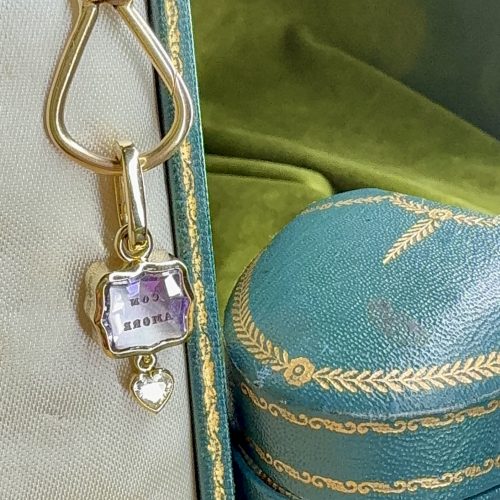
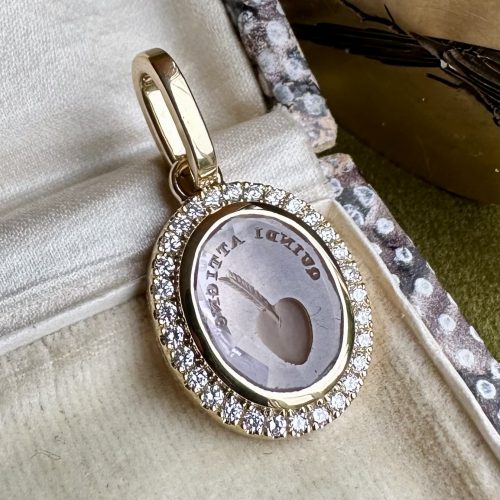
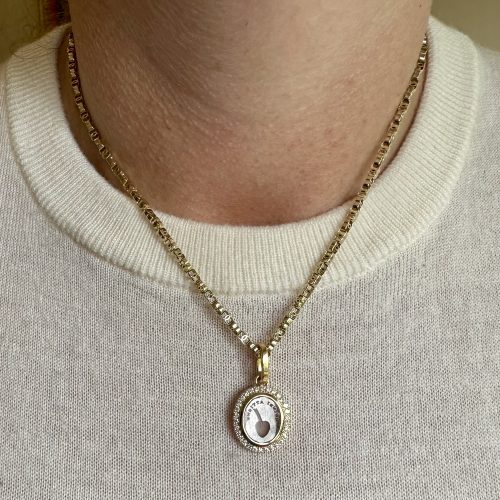
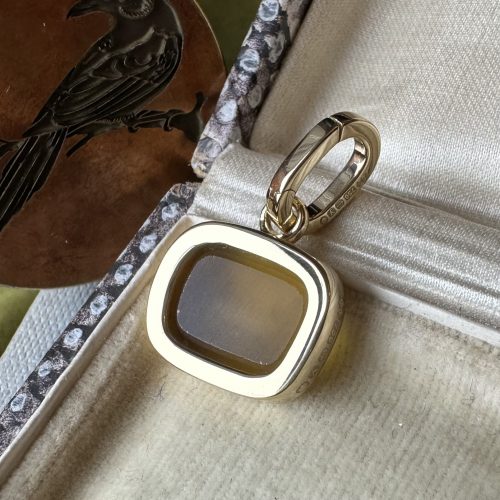
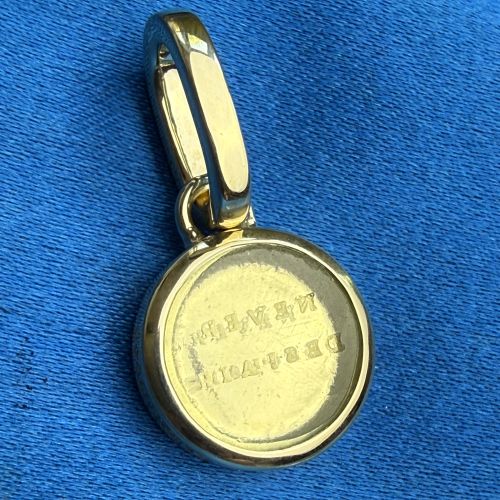
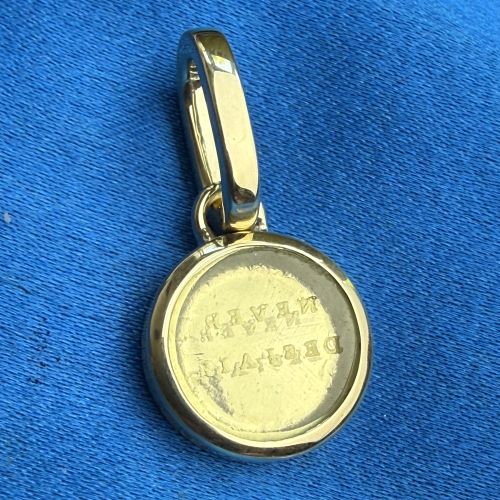
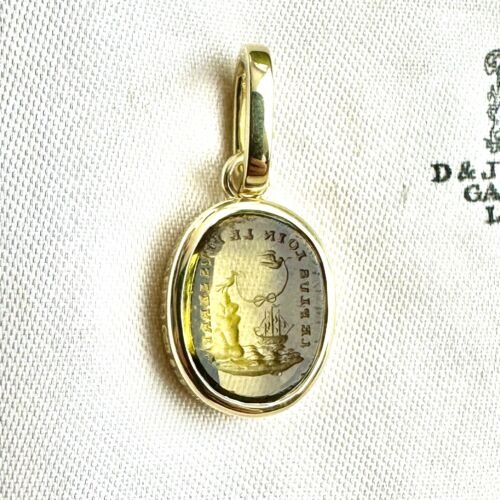
We’ve been lucky enough to have a few heraldic amethyst intaglios come through our fingertips at Bauble Magpie, which we gave a modern makeover as part of our intaglio jewelery service. Housed in a generous yellow gold pendant or signet ring, these gorgeous seals make absolutely stunning amethyst jewellery.
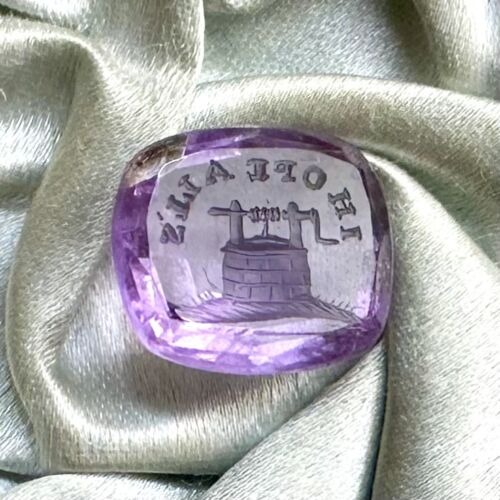
Bringing the antique intaglios into the modern era and turning them into talismans that you can bring with you everywhere? That’s our bag, baby. Though there were some heraldic amethysts, the whimsical colour and their rise to popularity within the Victorian era also means that they had a whimsical design.
Often, they’re used for romantic love, using symbols like hearts and padlocks, and we’ve seen quite a few butterflies that are perfect for that daily talisman reminding you of your freedom, and they’re also a classic symbol for transformation and growth.
Others love to include the purple quartz into jewellery for the amethyst crystal stone meaning, which to be super honest, really run the gamut. Back in ancient Greek times, folk would use amethyst as a drinking vessel, believing that the crystal would be able to ward off intoxication. Nowadays that’s less seen as the case, and the spiritual meanings of amethyst jewellery tend to be more about strength, courage, and the aforementioned transformation.
The purple semi-precious stone is also the February birthstone, so an amethyst pendant necklace is a popular choice for those with a birthday in February. There’s lots of reasons to opt for Amethyst jewelry, whether you’re looking for a self care treat or a thoughtful gift for a loved one.