Marks of Quality
Now, it’s pretty clear that here at Bauble Magpie, we’re not much for rules – not society’s made-up rules about how to live, how to dress, how to be, how to love. That’s all nonsense, and if it doesn’t make sense, it doesn’t get a say in how you spend your existence.
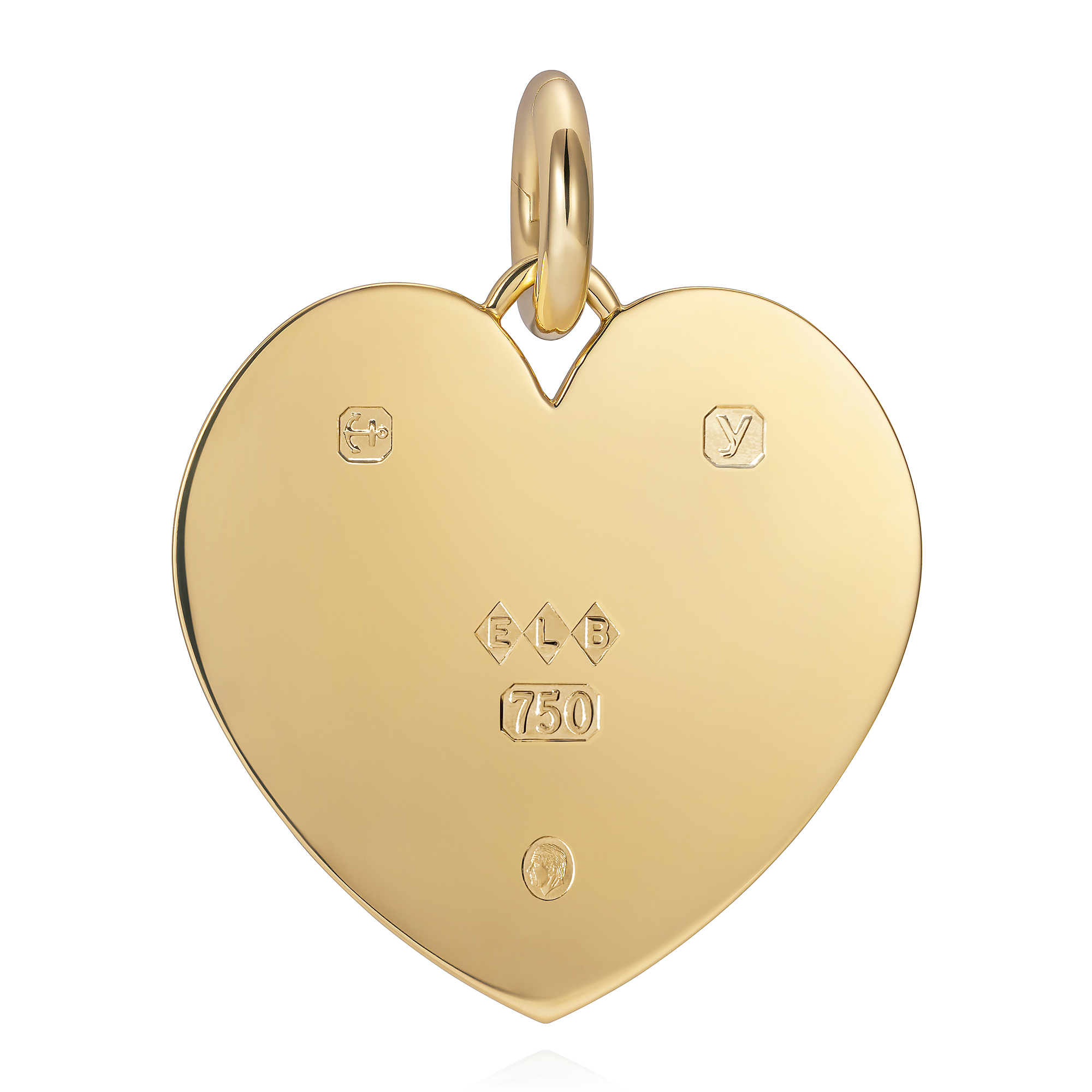
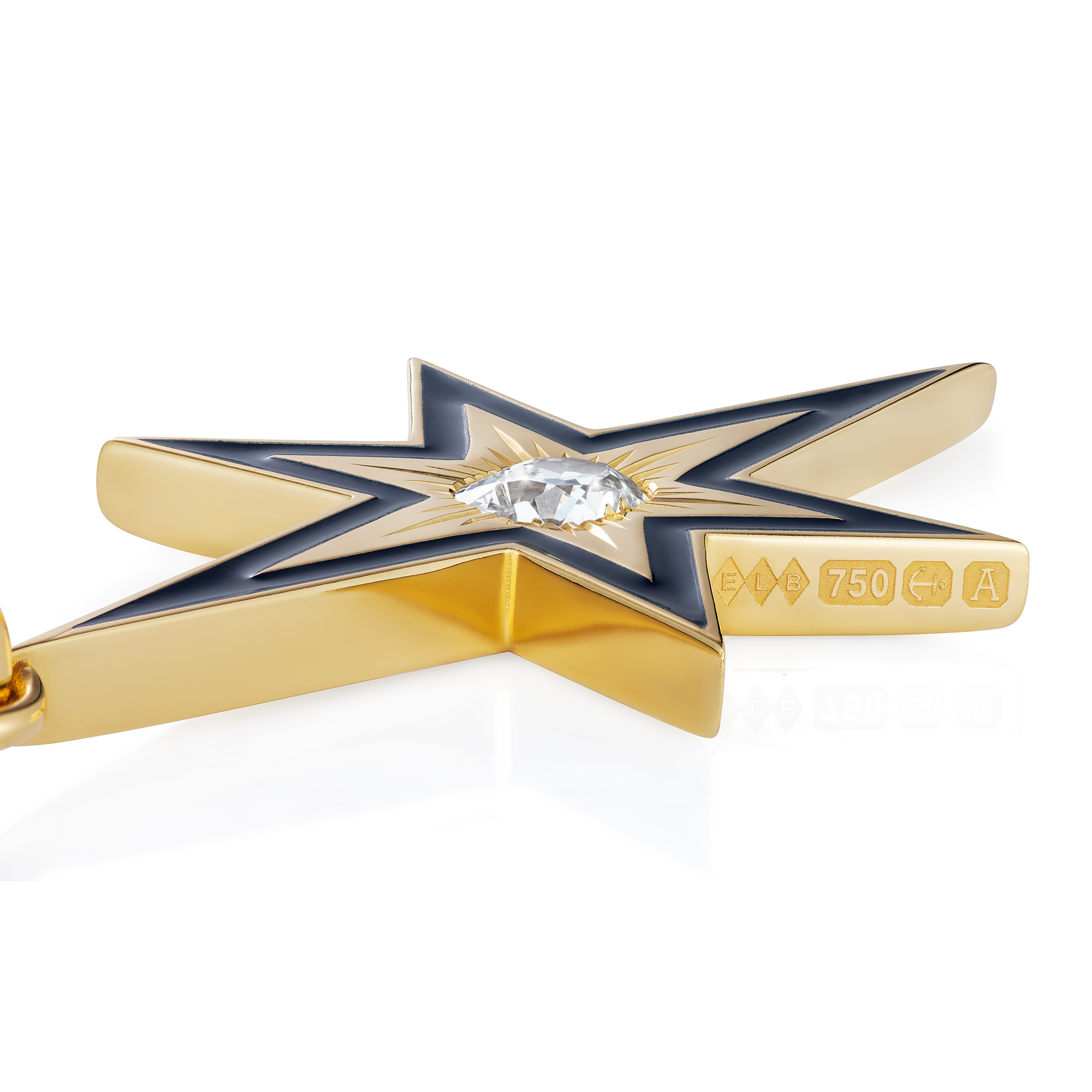
That being said, there are some conventions that do make sense, and therefore we wholeheartedly accept – like Hallmarking. Hallmarking is a term used to refer to the types of marks and punches that are predominantly used to show that the quality of precious metals are verified, and provide information on who did the verification and when.
What Do Hallmarks Do
So, for example, you can look at any piece of jewellery, signet rings, watches, or solid gold bullion if that’s your thing, and be able to see at a glance a load of information:
- The metal/s that are used in the piece
- The purity of said metals
- Where the assay office is located
- When the assessment was done
- Who made the piece (optional)
Different countries have different rules, but in the UK all jewellery that includes more than 1g of gold simply MUST be Hallmarked. And, as we love a generous serving of gold in all of our pendants and signet rings, you bet your butt that these are all going to be Hallmarked.
The unique maker’s mark that designates who made the piece is not essential, but I like it – so I had my own made, which is the letters E, L and B encased in diamonds, which are my initials.
A Stamp of Approval
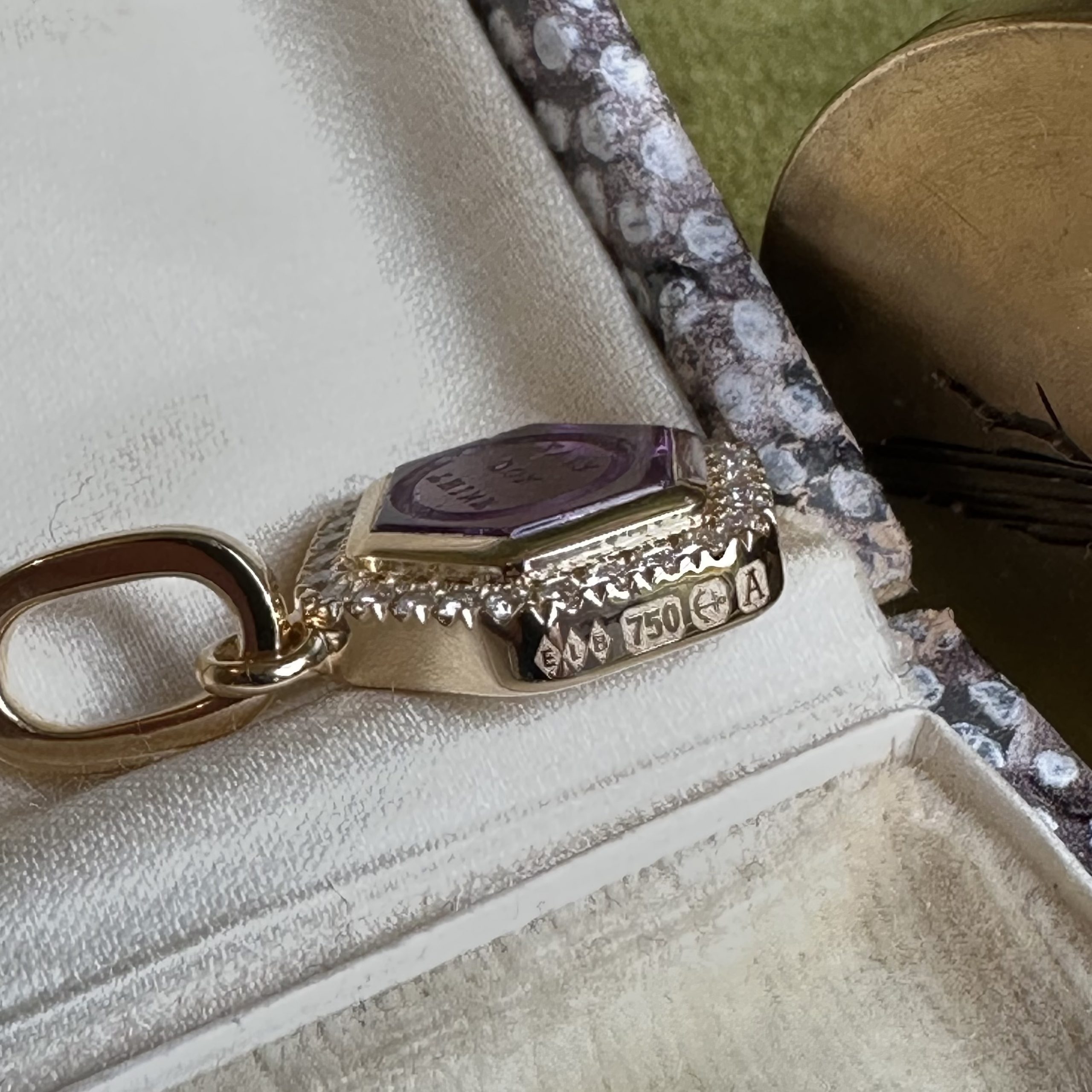
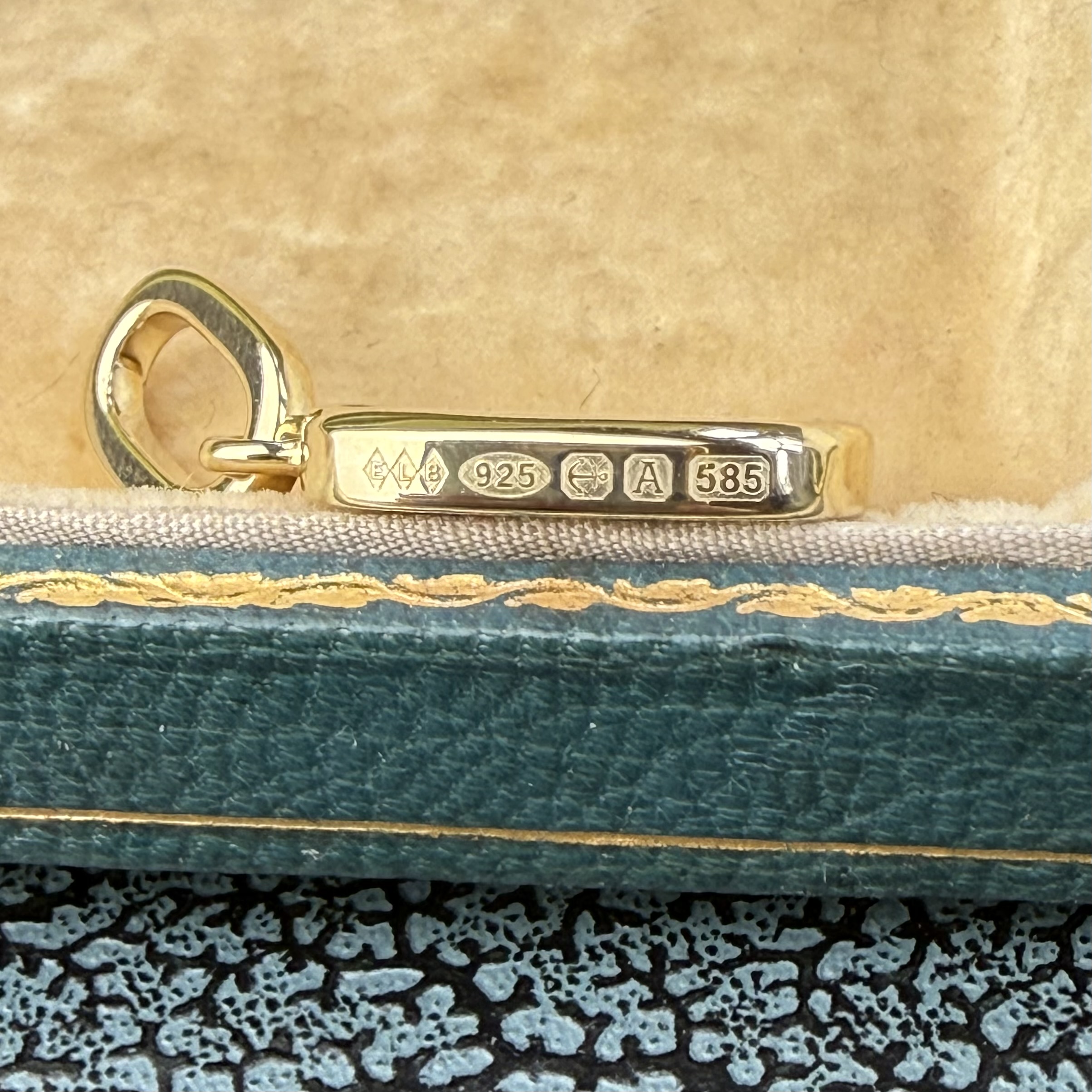
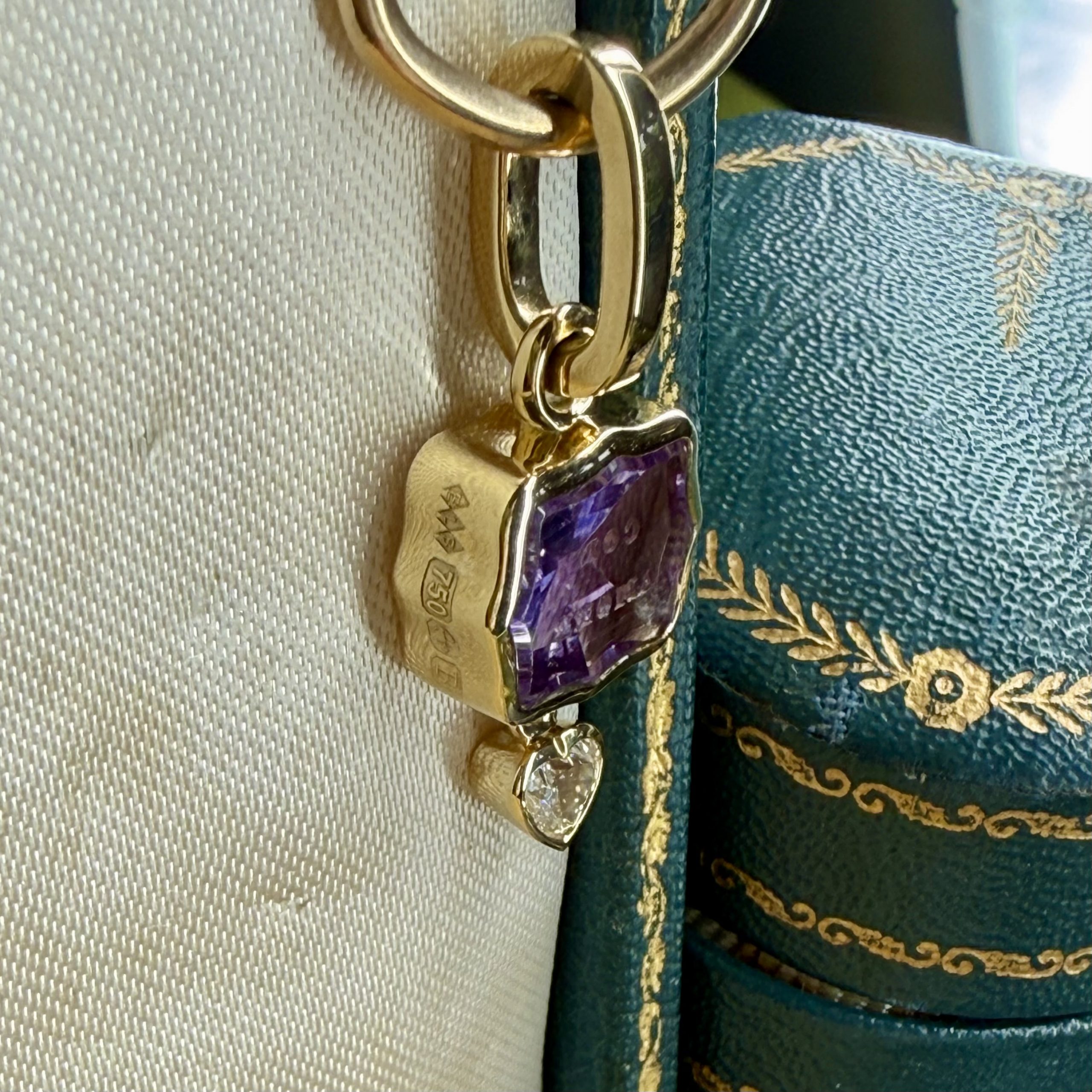
As an example, take a look at one of my intaglio ingot pendants. You can see a row of icons that have been stamped directly into the pendant, each offering different information.
- ELB is my personal, unique makers mark that will only be seen on Bauble Magpie Originals
- 925 means that there is sterling silver included in the pendant
- The anchor means that this was assessed at the Birmingham Assay Office
- The A means that it was assessed in 2025
- The 585 means that there is 14ct gold included in the pendant
The locations of the Hallmarks on pieces of jewellery will vary across different makers, but we love having them visible, on the side of the pendants and rings as they are a mark of quality, a mark of transparency, and totally bragging rights that should be displayed.
As a side note, the Birmingham Assay Office is a special place to get jewellery Hallmarked, as it’s done in the official Birmingham Jewellery Quarter which is absolutely stacked with jewellery history. Fast Fact: The Birmingham Assay Office opened in 1773 and is now the largest Assay Office in the World!
What Do Hallmark Numbers Mean
The numbers that represent the precious metals aren’t just any old random numbers, they actually mean something – usually the percentage of pure metals that are required for that designation. For example, 916 means 22 carat gold because 22 carat gold is 91.6% pure gold – compared to 9ct gold which is only 37.5% pure gold.
Precious Metal Hallmark Numbers:
- Sterling Silver: 925
- 9ct Gold: 375
- 14ct Gold: 585
- 18ct Gold: 750
- 22ct Gold: 916
- Platinum: 950
Why We Love Hallmarking
Yes, Hallmarking is a set of rules, but it’s one that (mostly) makes sense, and goes a long way towards our value of transparency. Honesty and trust is crucial when buying jewellery – especially when buying jewellery online (and potentially internationally!), so having a strict set of rules that guarantees quality is super important.
Not only that, the entire foundation of Bauble Magpie revolves around taking something historical and making it personal. Intaglios and wax seals were historically made, stamped or engraved with words, icons and images that had particular meaning at the time, which we can now use as a talisman and take with us as we travel into the future.
A Hallmark, much like an intaglio, offers a piece of history. What we do with that, and where we go from here, is up to us.